January often splits the wine conversation in two. Some guests are taking a break from alcohol entirely, while others are choosing fewer glasses (and better ones). For the trade, the opportunity isn’t choosing between those paths, but understanding how to serve both thoughtfully.
Riesling is uniquely suited to this moment. From alcohol-removed Dr. Lo to dry, terroir-driven Grosses Gewächs wines, January offers a chance to show Riesling’s full range – without asking guests to compromise on quality or experience.
Dry January Without Leaving Wine Behind: Dr. Lo
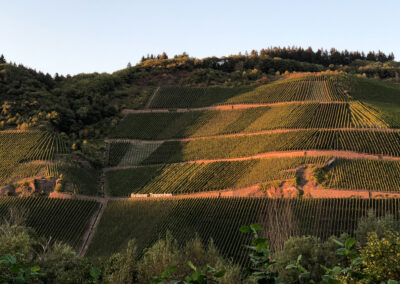
Dry January doesn’t mean guests want to disengage from wine culture. Many still want the ritual, the pairing, and the pleasure, just without alcohol. Dr. Lo begins as a classic Mosel Riesling, grown on steep slate vineyards and vinified with the same care as traditional wines. After fermentation, the alcohol is gently removed, allowing the wine’s natural acidity, aromatics, and varietal character to remain.
What sets Dr. Lo apart is that it still behaves like wine. It has structure, freshness, and clarity – not sweetness or artificial flavoring.

All the sparkle, none of the alcohol – Dr. Lo Riesling with Bubbles brings real wine character to zero-proof cocktails, making Dry January feel anything but austere.
Positioning Dr. Lo Successfully
Dr. Lo performs best when it’s integrated naturally:
- Listed alongside Riesling rather than isolated as a novelty.
- Offered by the glass to encourage exploration.
- Used in tastings or flights to show stylistic continuity.
For guests participating in Dry January, Dr. Lo offers a way to say engaged with wine – not step away from it.
Drinking Better: Dry Riesling & Grosses Gewächs
For those still drinking in January, many are doing so with more intention. This is where dry Rieslings, particularly Grosses Gewächs, come into focus.
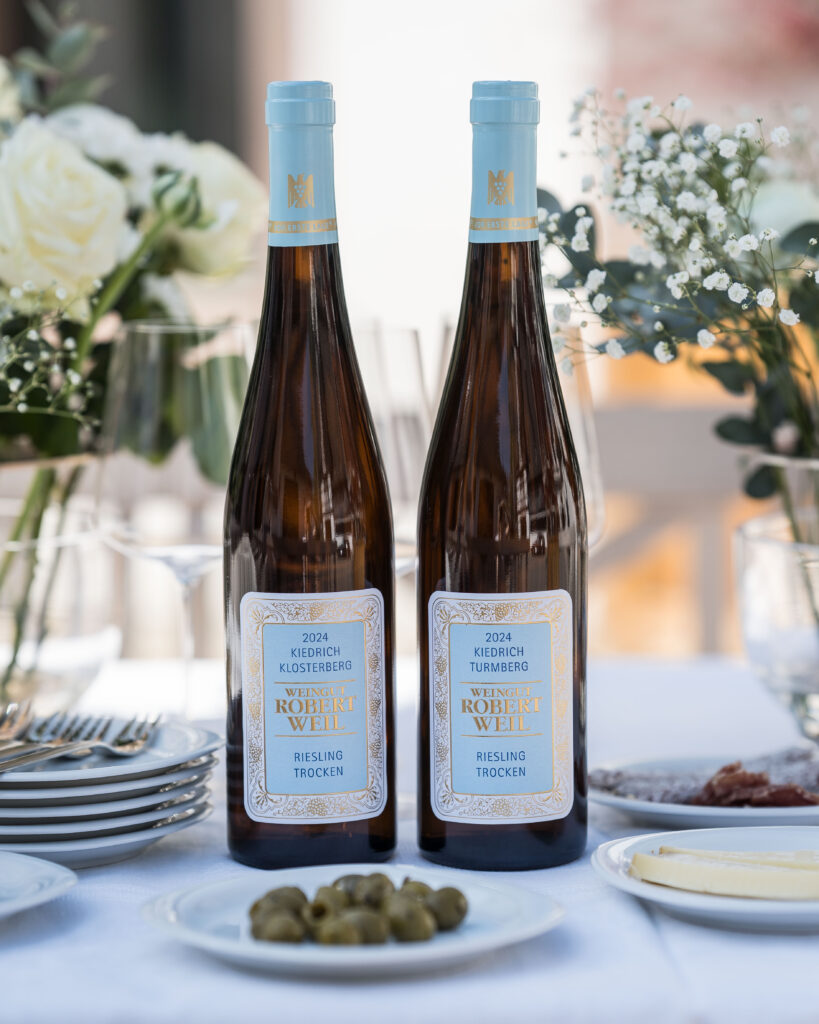
For those drinking in January, Robert Weil’s Trocken Rieslings offer a case for drinking better: dry, site-driven wines defined by clarity, structure, and restraint.
What Makes a GG a GG
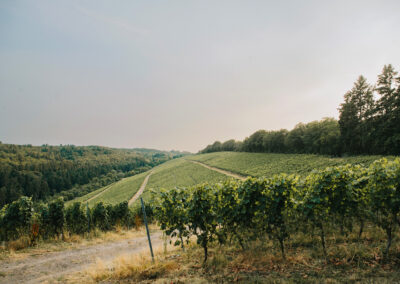
Grosses Gewächs (GG) represents the highest classification for dry wines from Germany’s top vineyard sites. These vineyards are carefully delineated based on soil type, exposure, and historical performance – comparable to Grand Cru designations found elsewhere in Europe.
GG Rieslings are Defined By:
- Meticulous vineyard work and low yields.
- Dry fermentations that emphasize structure and precision.
- A strong sense of place and vintage character.
These are wines built for aging, complexity, and food – Germany’s answer to Grand Cru white Burgundy.
Why January Is the Moment for GGs
January’s quieter dining rooms and refreshed wine lists allow space for conversation. Guests are often more receptive to learning, and winter cuisine benefits from the acidity and focus that GG Rieslings provide.
Rather than framing GGs as alternatives, positioning them alongside top-tier white Burgundy helps communicate their seriousness and value.
Beyond GG: Dry Riesling as a Spectrum of Place
While Grosses Gewächs represents the pinnacle of dry Riesling, it’s part of a broader, highly expressive category. Trocken and Erste Lage (1G) Rieslings offer many of the same defining qualities – clarity, acidity, and site expression, at different scales and price points.
- Trocken (Dry) Rieslings highlight freshness and balance, making them ideal for BTG programs and food-forward lists.
- 1G (Premier Cru) Rieslings bridge the gap between everyday dry wines and GG, delivering depth and vineyard character with approachability and value.
Together, these wines reinforce the idea that dry Riesling isn’t a single style; it’s a range of terroir-driven expressions that invite guests to explore, compare, and ultimately trade up.
Trocken to GG in Practice: Robert Weil as a Case Study
One of the easiest ways to explain German dry Riesling is to show it as a progression rather than a set of disconnected categories. Robert Weil provides a clear, textbook example of how Trocken, Erste Lage (1G), and Grosses Gewächs (GG) express increasing levels of site specificity, structure, and intent – without ever straying from the dry spectrum.


Tasting Notes: Crisp apple, citrus peel, vibrant acidity, clean and food-friendly.
How to Position It: This is the gateway wine – bright, dry, and immediately approachable. The Estate Riesling Trocken is ideal by the glass, by the carafe, or as an introduction to German dry Riesling for guests who may still associate the category with sweetness. For both retail and on-premise programs, it delivers clarity and value while establishing trust in the producer.
Robert Weil Kiedrich Turmberg Riesling Trocken
Tasting Notes: Ripe orchard fruit, chalky minerality, layered texture, focused and precise.
How to Position It: Erste Lage wines bridge the gap between everyday dry Riesling and Grand Cru bottlings. This wine is about place – sourced from the classified, premier Kiedrich Turmberg vineyard, it shows more depth, structure, and persistence than the estate wine while remaining accessible. For the trade, it’s a natural “trade-up” option for guests who enjoy the Estate Trocken and want to explore vineyard expression without jumping straight to GG.
Robert Weil Kiedrich Gräfenberg Riesling GG
Tasting Notes: Concentrated citrus, stone fruit, powerful structure, long, mineral-driven finish.
How to Position It: Gräfenberg GG represents the pinnacle of dry Riesling from Robert Weil – a historic Grand Cru site known for its intensity, longevity, and precision. These wines belong alongside top white Burgundy on fine wine lists and reward thoughtful conversation, food pairing, and cellaring. For January and beyond, GG Rieslings align perfectly with guests choosing to drink better: fewer glasses, greater impact, and unmistakable terroir.
Dry January, Reimagined
Dry January doesn’t have to mean less engagement with wine – just more intention. Whether guests choose zero alcohol or opt for a carefully selected option, Riesling meets them where they are.
From Dr. Lo to Grosses Gewächs, January is a chance to show that restraint and quality can go hand in hand.