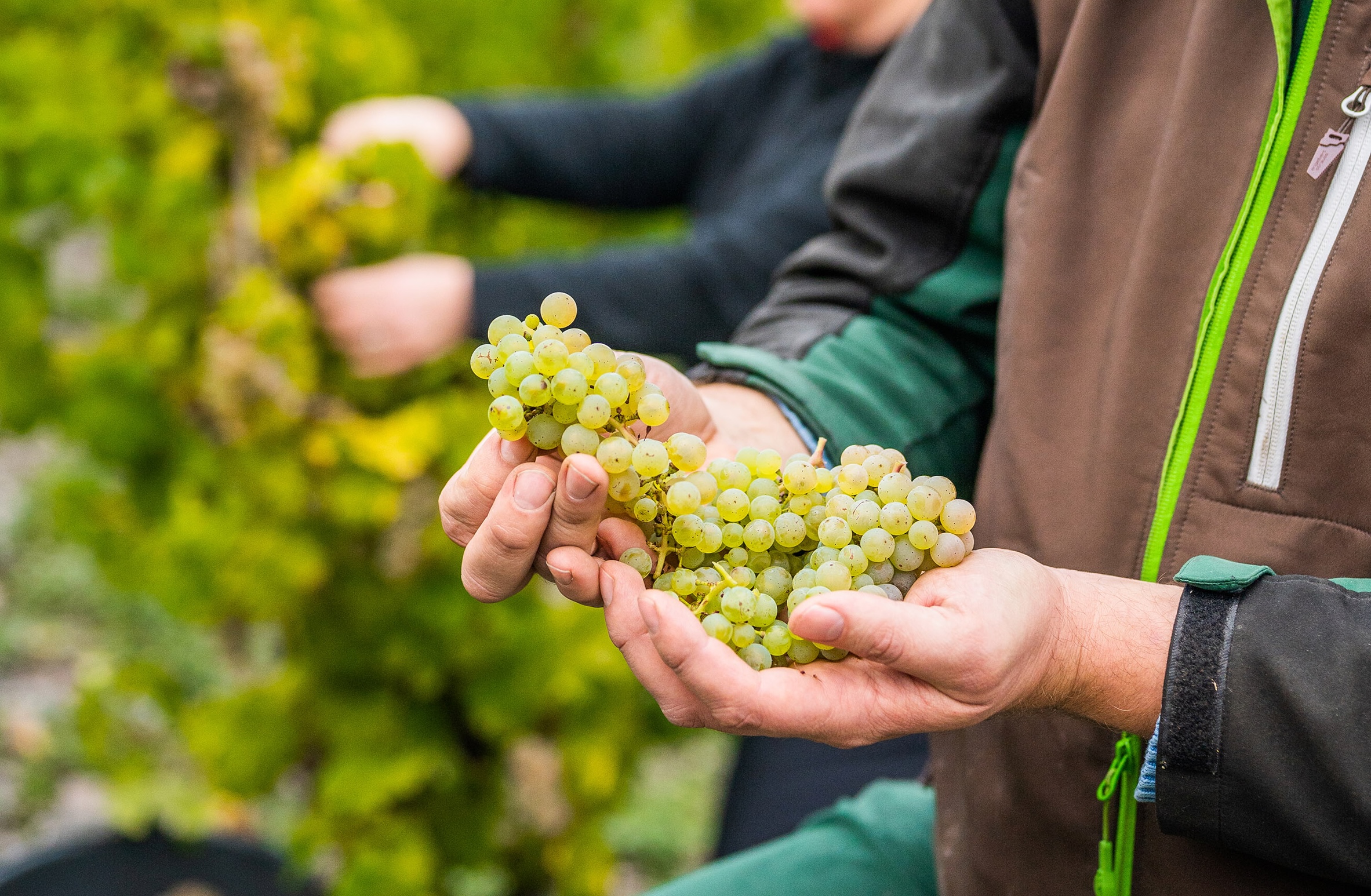
In the wine trade, leadership isn’t defined by volume of messaging or the speed at which trends are adopted. It’s revealed over time through consistency of choice, care for the place, and the confidence a producer brings to the table year after year. These are the details that matter when wines are placed on lists, reordered, and trusted to represent something real.
As conversations around values, responsibility, and sustainability in winegrowing continue to evolve, it’s worth returning to a simpler question: how does leadership actually show up in wine? More often than not, the answer isn’t found in declarations, but in decisions made quietly, repeatedly, and with the long view in mind. With each of our estates, sustainability is measured in generations.
Leadership with Continuity: Dorothee Zilliken
True leadership in wine rarely announces itself. It shows up in precision, restraint, and a willingness to keep pushing forward. Decisions are shaped by site, history, and future relevance rather than immediacy. At Weingut Zilliken, Dorothee Zilliken embodies this approach, guiding her family estate with clarity and consistency while continuing to refine how great wine can be grown and made responsibly.
Zilliken’s wines reflect that philosophy clearly, each playing a distinct role while sharing a common point of view.
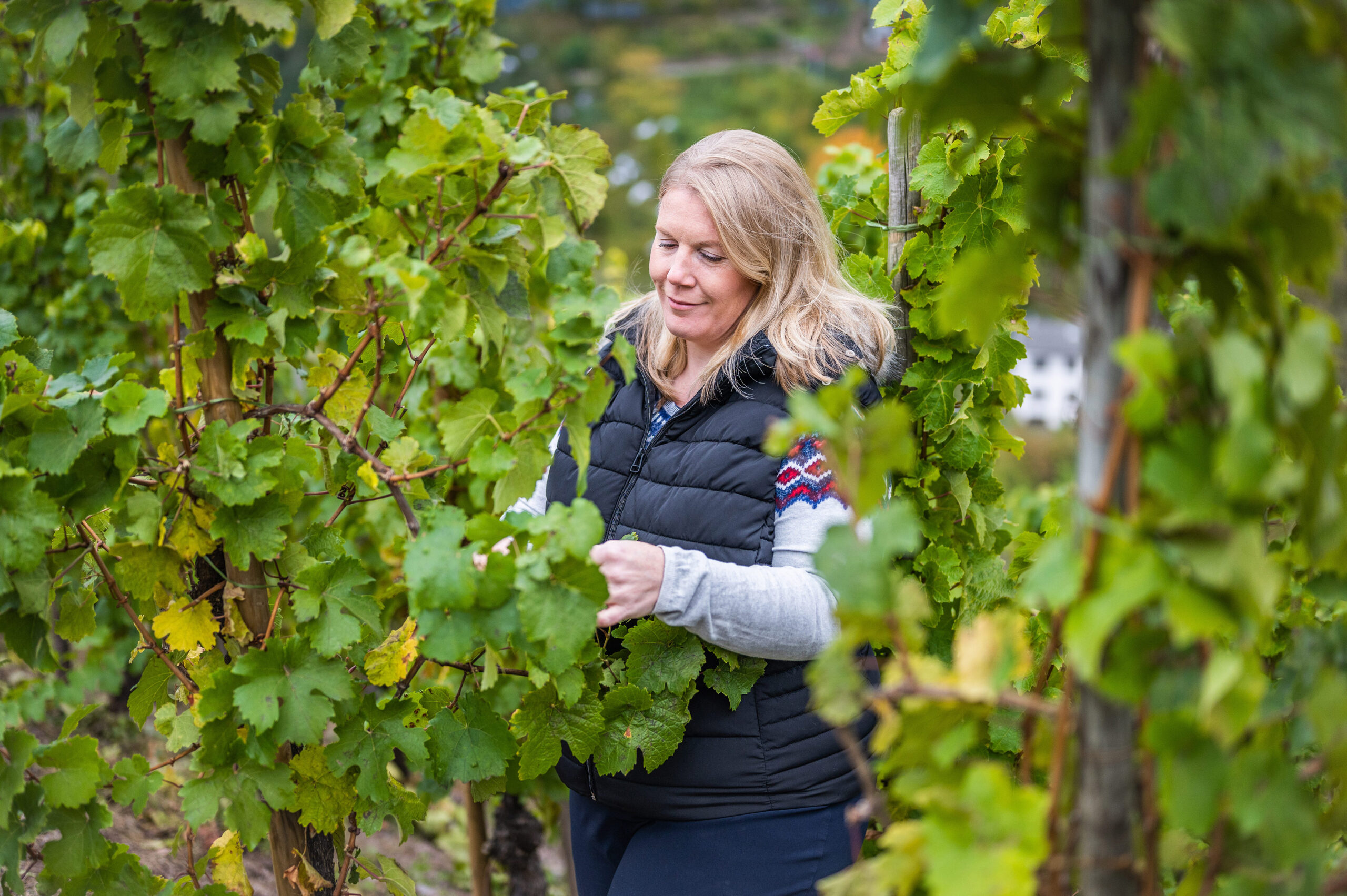
Dorothee Zilliken tends the details that shape wine over decades, not seasons.
The Butterfly Riesling leads the conversation because it leads in the market. As a dependable, high-volume wine, it serves as a daily expression of the estate’s values. It’s vibrant, expressive, and reliable without being simplified. A workhorse by design, it carries Zilliken’s philosophy into everyday placements where consistency and trust matter most.
Zilliken Estate Riesling offers a deeper introduction to the house style. More focused and structured, it reflects the estate’s standards with precision and balance, bridging broad appeal and the disciplined approach that defines Zilliken at its core. On a list, it signals seriousness without austerity, and it’s a natural step for buyers and drinkers looking to engage more closely with site and style.
At the highest level, the Rausch Riesling GG brings that thinking into its sharpest focus. Here, restraint and site expression take center stage, offering a dry grand cru Riesling that represents the epitome of Saar excellence. Authority is expressed through control rather than power, reinforcing Dorothee’s command of place and her commitment to clarity over excess.
Together, these wines demonstrate leadership not as a statement, but as a sustained practice. One that scales thoughtfully, deepens with intention, and endures over time.
Stewardship in Practice
Leadership at the estate level doesn’t stop at the wine itself. Across our German producers, sustainability shows up as a natural extension of how these estates have always worked. It is shaped by place, history, and a responsibility to keep vineyards healthy for generations to come. These choices are not reactions to trends; they are part of how these producers think about the future.
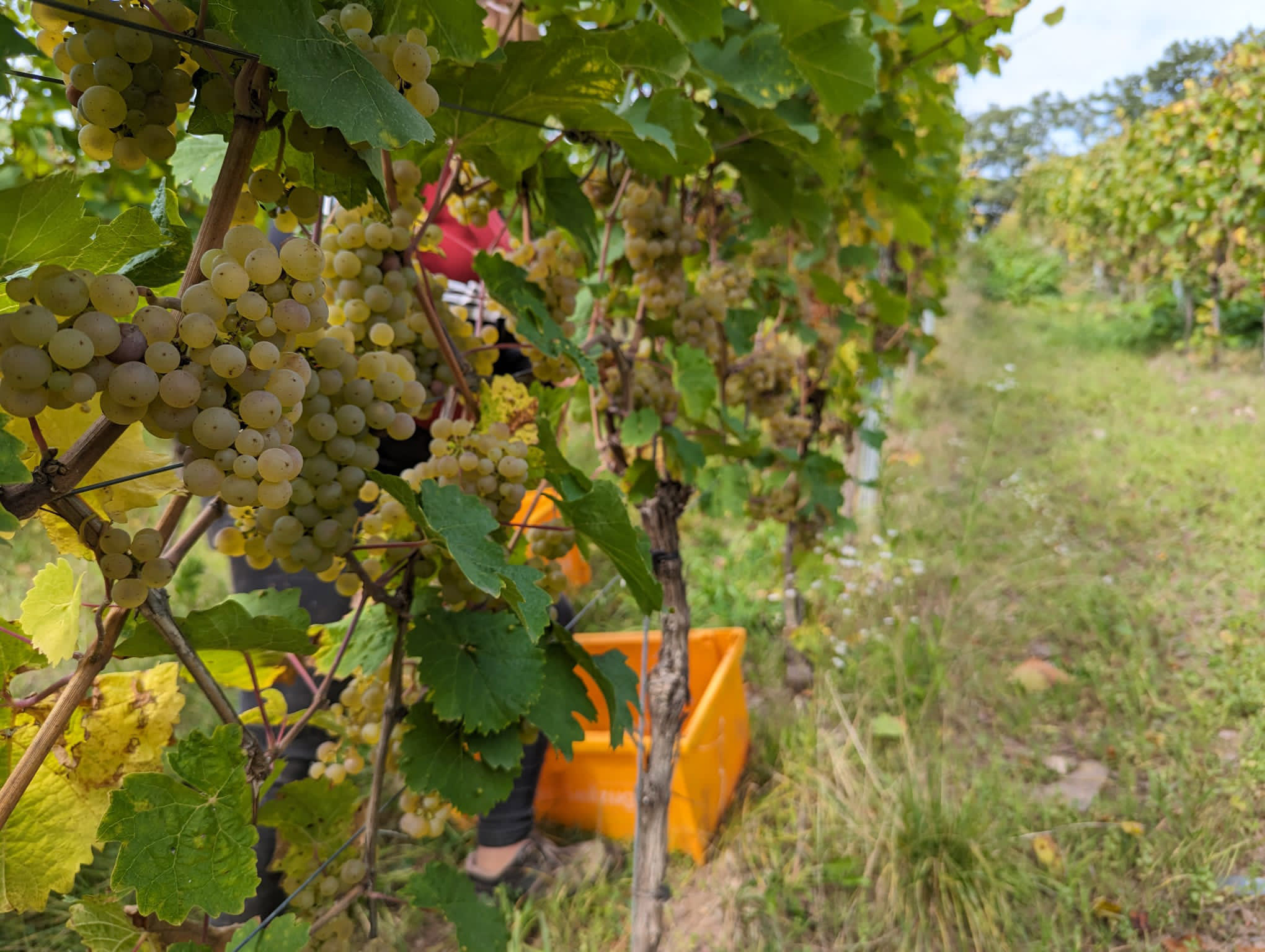
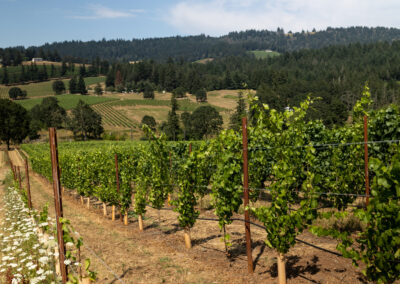
Harvest at Maximin Grünhaus, where long-term stewardship begins in the vineyard.
What Our Producers Are Doing
Long-standing values are reinforced through formal sustainability frameworks that help document, refine, and protect the work already being done in the vineyard and cellar.
- Dr. Loosen works within the Eco Step framework to support long-term site health across vineyard and winery, from energy use and waste management to worker safety and responsible production.
- Fritz Haag participated in FairChoice, reflecting a commitment to responsible farming and thoughtful stewardship that supports both vineyard health and the people behind the work.
- Maximin Grünhaus works within Fair’N Green, a holistic approach centered on biodiversity, energy use, and the long-term resilience of its historic sites.
- At Zilliken, sustainability is expressed through careful vineyard work, thoughtful cellar practices, and ongoing refinement across the state.
- Robert Weil approaches stewardship through continuity across its vineyards, combining thoughtful farming, responsible cellar choices, and decisions guided by centuries of experience in the Rheingau.
- Wittmann farms organically and is certified biodynamic through Respekt-BIODYN, guided by restraint, precision, and a deep respect for site.
Taken together, these approaches reinforce a shared understanding: sustainability in wine is not a single standard, but a sustained commitment that supports quality, relevance, and trust over time.
The Weight of the Bottle
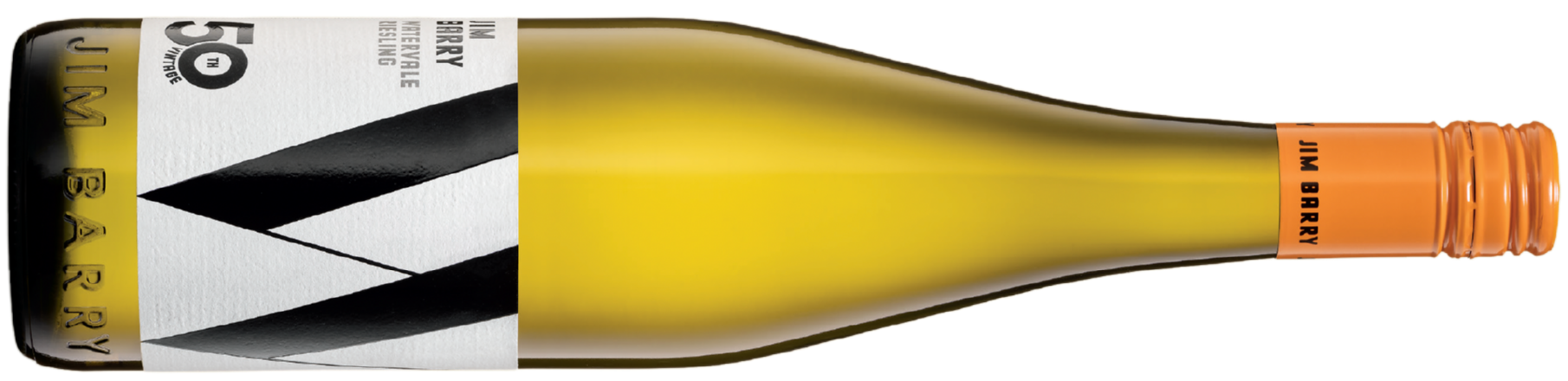
Progress doesn’t always start in the vineyard; at Jim Barry, it can start with the bottle.
Sustainability doesn’t always begin in the vineyard. At Jim Barry, recent innovation has focused on one of the most tangible and often overlooked areas of impact: the bottle itself.
Both the Watervale Riesling and Lodge Hill Shiraz have transitioned to lighter-weight glass bottles, reducing the carbon footprint tied to production and transport without changing what’s in the bottle. When applied to wines that move at scale, this kind of adjustment delivers meaningful, measurable impact.
Supported by Toitū carbon reduction certification, this shift reflects Jim Barry’s commitment to practical, accountable sustainability. It’s proof that progress doesn’t always require reinvention, just intention.
History is the Proof, the Practices Back It Up
The producers highlighted here share more than philosophy. They share a way of thinking that values continuity, responsibility, and clarity over shortcuts. This shows up through precision in the vineyard, long-standing sustainable practices, and practical improvements that reduce impact at scale.
For the trade, that kind of leadership translates into confidence. Confidence in what you’re pouring, what you’re placing, and what you’re building over time. These are real wines, shaped by real decisions, and they are the kinds of wines worth standing behind.